Over the last few years, the world of interior design has seen the strong return of one of the most emotional and recognizable styles in tropical architecture: Balinese furniture and ethnic-inspired interiors. After years dominated by ultra-minimal and cold contemporary spaces, homeowners, villa developers, and hospitality brands are once again searching for interiors that feel warm, authentic, relaxing, and connected to nature.
The Balinese style represents much more than furniture. It is a lifestyle concept inspired by tropical living, artisan craftsmanship, natural materials, and timeless elegance. Today this trend is rapidly growing not only in Bali itself, but also in Thailand, Phuket, Koh Samui, and luxury tropical destinations worldwide.
One of the main reasons why Balinese interiors remain evergreen is their ability to create emotional spaces. Unlike industrial or ultra-modern design, Balinese décor immediately generates a feeling of calmness, escape, and holiday atmosphere. This is particularly important in modern luxury villas, boutique resorts, wellness retreats, and retirement homes where clients are searching for comfort and emotional wellbeing rather than only aesthetics.

The style is strongly connected to natural materials and handcrafted details. Teak wood, suar wood, rattan, bamboo, volcanic stone, linen fabrics, and handmade ceramics are among the most iconic elements. Furniture often features organic shapes, artisanal carvings, textured finishes, and earthy tones that blend perfectly with tropical gardens and open living concepts.
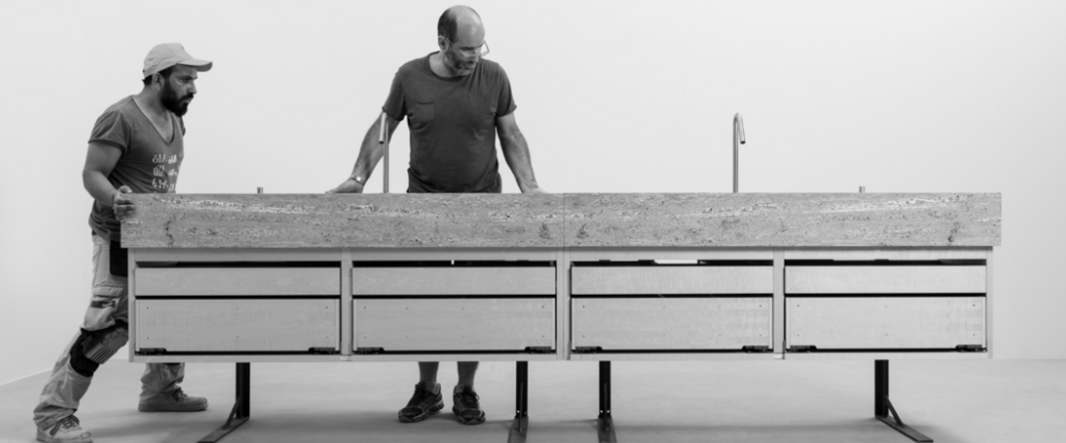
Another major trend returning with Balinese interiors is the famous “cucina in muratura” — masonry kitchens combined with tropical materials and ethnic finishes. These kitchens are appreciated for their strong visual identity, durability, and custom-made appearance. They integrate perfectly with stone countertops, wooden shelving, natural tiles, and decorative lighting.
However, masonry kitchens also have pros and cons. Among the advantages are their unique design, robustness, tropical character, and ability to integrate seamlessly into open-air living spaces. On the other hand, they are less flexible than modular kitchens and require accurate planning from the beginning because modifications later can be more complex.
Lighting also plays a central role in Balinese interior design. Oversized pendant lamps made of bamboo, wicker, rattan, or natural fibers have become iconic decorative elements. Warm indirect lighting is preferred over aggressive spotlights, helping create soft and relaxing environments. Decorative lanterns, handcrafted ceiling lamps, woven textures, and sculptural lighting pieces help reinforce the ethnic atmosphere.
Decorative accessories are equally important. Stone statues, tribal art, textured cushions, carved mirrors, terracotta vases, antique wood panels, tropical plants, and handcrafted decorative objects create layered interiors full of personality and storytelling. The beauty of Balinese style is that it never feels overly perfect or sterile — imperfections and artisanal details become part of the charm.
This style is also increasingly appreciated because it combines luxury with sustainability. The growing global interest in eco-friendly living and sustainable architecture aligns perfectly with Balinese design philosophy, which prioritizes natural materials, local craftsmanship, recycling, and a stronger connection between indoor and outdoor spaces.

Today, Balinese and Indonesian furniture are not only a design trend but a true lifestyle movement influencing luxury real estate, boutique hospitality, wellness architecture, and tropical home décor worldwide.
Kasa8 is proud to announce the opening of new direct sourcing channels with Bali and Indonesia for interior design solutions and furniture importation in Thailand. Through these new partnerships, Kasa8 will offer both custom-made furniture production and ready-to-order collections, bringing authentic tropical craftsmanship, ethnic décor, and premium Balinese design directly to villas, resorts, developers, and private clients across Thailand.